
Tyre Damage From Qatar’s Road Debris: Common Failure Patterns
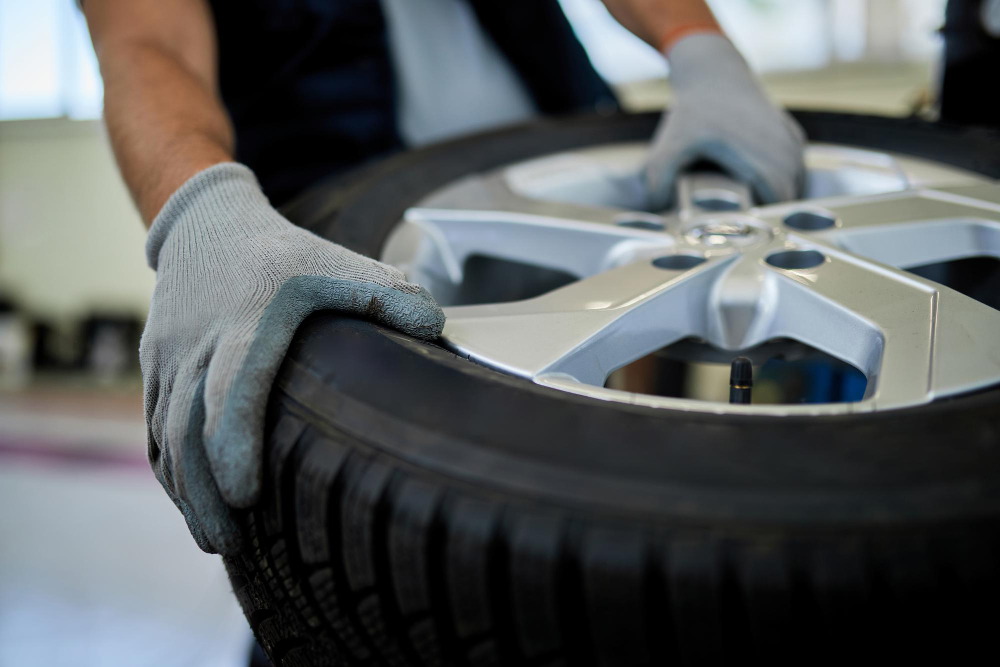
Driving across Qatar means sharing the tarmac with heavy construction transport, continuous infrastructure work, and high-speed highway traffic. Between loose gravel near developments in Lusail and metal scraps on Salwa Road, tyre punctures happen without warning. Searching for an on-demand tyre repair near me when you hear that rhythmic thump-thump-thump gets you quick roadside relief before a simple nail turns into a destroyed alloy wheel. Knowing how road debris attacks your tyres helps you catch slow pressure leaks early and understand whether a quick patch will save your rubber.
The Three Main Debris Hazards On Qatar Roads
You don’t need to drive off-road to run over damaging debris. Most tyre damage happens on busy public roads and highway detours.
1. Construction steel, nails, and self-tapping screws
With ongoing building work across Doha, flatbed trucks and utility vans constantly haul construction materials. Loose drywall screws, binding wire, and metal brackets bounce off truck beds and settle in lane gutters or near exit ramps. Because these objects point upward when resting against asphalt, your front or rear tyres press them straight into the tread blocks.
2. “Road alligators” (shredded truck tyres)
During hot summer months, retreaded tyres on heavy commercial vehicles overheat and delaminate. This leaves long, heavy strips of steel-reinforced rubber lying across fast lanes on Salwa Road and the Orbital Highway. Hitting these rubber slabs at 120 km/h acts like hitting a solid rock, smashing your front bumper and causing severe impact damage to your tyres.
3. Sharp aggregate stone on road detours
Temporary road diversions and unpaved shoulders often feature coarse, unrefined gravel. When heavy vehicles grind these stones down, they turn into sharp flint-like shards. Driving over this rough aggregate at high speed can slice into softened rubber, causing small cuts that slowly leak air.
Common Tyre Failure Patterns And What They Mean
The way a tyre fails tells you a lot about what you hit and whether the damage is fixable on the spot.
- Tread punctures: A screw or nail penetrates directly through the flat rubber tread facing the road. This causes a slow, steady pressure drop over several hours or days. As long as the hole is smaller than 6 mm and located within the central tread area, an internal plug-patch easily seals the leak on-site.
- Sidewall slashes and cuts: Sharp metal brackets, curb edges, or sliced steel wire hit the side of the tyre rather than the tread. This results in immediate air loss, often causing a flat within seconds. Because the sidewall bears the structural weight of your car and flexes constantly, slicing these side cords compromises safety permanently. The tyre must be replaced.
- Impact bulges and internal cord damage: Your tyre hits a heavy piece of debris or a deep pothole edge at high speed without puncturing the outer rubber. An egg-shaped bubble appears on the side of the tyre a few days later. That bulge means the internal steel or fabric belts have snapped inside the rubber casing. The tyre can burst without warning and needs immediate replacement.
Why Qatar’s Pavement Heat Makes Debris Damage Worse
Road debris is extra dangerous in the Gulf region because of extreme surface temperatures. During peak summer, Qatar’s asphalt can reach over 60°C.
Heat softens the rubber compounds in your tyres. Soft rubber allows sharp screws and wire to penetrate deeper with less resistance. At the same time, high internal air pressure from heat expansion pushes against weak spots in the tyre casing. A small cut that might just sit harmlessly in a cool climate can quickly expand into a full tread separation under Qatar’s summer driving conditions.
Can Your Tyre Be Patched Or Do You Need A Replacement?
When you call for a mobile puncture repair, the technician will inspect the damage before applying a patch. Not every puncture is safe to seal.
Tyre Zone | Location on Rubber | Repairability Status | Recommended Action |
Central Crown | Middle 70% of the tread area | Safe to Patch | Internal plug-patch repair (if hole is under 6 mm) |
Shoulder Area | Outer tread blocks near the bend | Unsafe | Full tyre replacement required |
Sidewall | Smooth side profile of the tyre | Unsafe | Full tyre replacement required |
A tyre is usually safe to patch if the puncture is inside the central crown area (at least 5 cm away from the outer edges), the hole is smaller than 6 mm, and you did not drive on the tyre while it was completely flat.
If you drive even a few hundred metres on a completely flat tyre, the heavy rim pinches the inner rubber liner against the road. This grinds the interior rubber into a fine black powder, destroying the structural casing even if the original nail hole was tiny.
How We Help At Aone Roadside Assistance
We at Aone Roadside Assistance know that a sudden flat tyre on a busy highway is stressful and dangerous. Instead of struggling with a hand jack under the hot sun or searching for a physical shop, our mobile units bring the workshop straight to your location anywhere in Qatar.
Our 24/7 mobile tyre services include:
- On-site puncture repairs: Professional internal plug-and-patch repairs for fixable tread punctures directly on the roadside.
- Mobile tyre fitting: Supplying and installing brand-new, heat-rated tyres at your home, workplace, or breakdown site if your tyre is sliced or blown.
- Wheel balancing and air top-ups: High-capacity air compressors and digital pressure checks to ensure your remaining tyres are safe.
- Emergency towing service: Flatbed transport to your home or preferred garage if your vehicle suffers rim damage or needs broader mechanical work.
We arrive with heavy hydraulic equipment so you can stay safe inside your air-conditioned car while we handle the repair.
Frequently Asked Questions
1. How quickly can a mobile technician reach me for a flat tyre in Doha?
Our mobile response units are stationed across key Qatar routes, allowing us to reach most city locations within 25 to 45 minutes of your call.
2. Is a plugged tyre safe for high-speed highway driving?
A proper internal combination patch (plug and patch applied from inside the tyre) restores the tyre’s speed rating and is completely safe for highway driving.
3. Can I spray emergency tyre foam sealant into a flat tyre?
Foam sealants work as a temporary fix to get you to a safe spot, but they coat the inside of the wheel in sticky residue and can ruin tyre pressure monitoring sensors (TPMS).
4. What should I do if my tyre bursts while driving on Salwa Road?
Hold the steering wheel firmly, avoid slamming on the brakes, ease off the accelerator gradually, and signal to pull over onto the right-hand hard shoulder safely.
5. Do Aone mobile service vans carry new tyres as well as patch kits?
Yes. When you call our team, give us your tyre size (found on the sidewall, e.g., 225/55 R17), and we can bring a matching new tyre in case your old one cannot be patched.
6. What causes a tyre to go flat if there is no nail or screw in it?
Air can leak from a faulty valve stem, corroded wheel rim sealing edges, or a hairline crack in an alloy wheel caused by hitting road debris or a curb.
