
Off-Road Tyre Damage In Qatar Dunes: Prep Before Your Weekend Escape
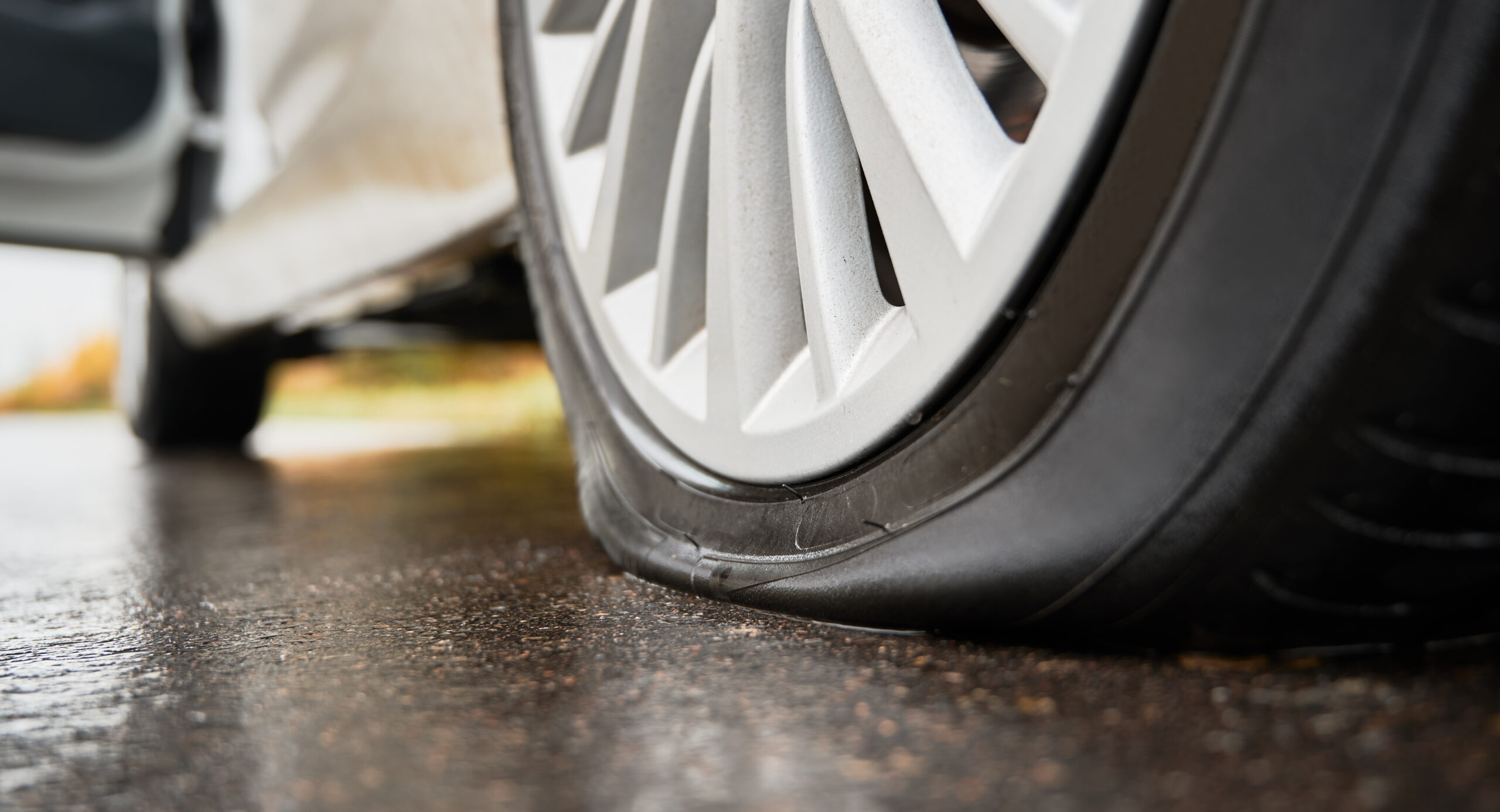
Friday morning, convoy of Land Cruisers heading toward the Inland Sea. Tyres deflated to 15 PSI for traction, coolers packed, everyone’s in a good mood. By noon, someone’s stuck with a sidewall gash from a limestone ridge buried under the sand, no spare that fits, and they’re searching for flat tire repair nearby while standing in a spot where mobile signal drops to one bar.
We see this at Aone Qatar more weekends than you’d think.
Dune bashing is one of the best things about living in Qatar. But the desert doesn’t care about your weekend plans, and tyres take the worst of it every single time. What follows is everything we wish people knew before they left the tarmac.
What Actually Damages Tyres Out There
Sand alone isn’t the problem. Soft dunes are forgiving. It’s what hides underneath them and around them that shreds rubber.
- Limestone outcrops. Qatar’s desert floor has sharp calcified rock sitting just below the surface in patches. You can’t always see it. One wrong line and the sidewall catches an edge that no tread pattern can handle.
- Sabkha flats. The salt-crusted areas near the coast look solid, then collapse under weight. Your wheel rim grinds against compacted salt crystal and the bead seal gets compromised. That tyre holds air for maybe another hour.
- Dried shrub and debris. Thorns from dried desert plants puncture treads slowly. You won’t feel it immediately. You’ll feel it twenty minutes later when the pressure drops and the steering goes vague.
- Overheated rubber on re-entry. This is the one nobody talks about. You’ve been running 15 PSI on sand for two hours, you hit the highway, and you forget to re-inflate. Underinflated tyres on hot asphalt at 120 km/h don’t last. The sidewalls flex beyond their limit and the tyre fails.
That last one isn’t a desert problem. It’s a transition problem. And it causes more blowouts on the Salwa Road stretch coming back from the dunes than anything that happens in the sand itself.
Prep That Actually Makes A Difference
We’re not going to tell you to “check your tyres before you go.” You already know that. Here’s what people actually skip.
Carry two spares, not one
A single spare assumes only one tyre fails. In soft terrain with hidden rock, two punctures on the same trip aren’t unusual. We’ve attended callouts where someone used their spare on the first flat, then caught a second an hour later with nothing left. Past Mesaieed or toward Khor Al Adaid, two spares is the minimum.
Bring a plug kit and know how to use it
A tyre plug can seal a tread puncture well enough to get you back to tarmac. Won’t fix a sidewall cut or a bead leak, but for a thorn through the tread face, it buys you 50 to 80 kilometres at low speed. Practice using it once in your driveway before you need it at 45°C with sand blowing sideways.
Re-inflate before you hit asphalt
Carry a portable compressor. Good ones run off your battery and fill a tyre in four to five minutes. The moment you’re back on hard ground, stop and bring every tyre to road pressure. This single step prevents more emergency calls than any other advice we give.
Know your sidewall rating
Not all tyres handle deflation equally. A standard highway tyre at 15 PSI flexes in ways it wasn’t built for. If you do regular desert runs, tyres with reinforced sidewalls or a proper AT rating handle low-pressure driving without the same fatigue.
When Prep Isn’t Enough
Sometimes everything goes right and you still end up stuck. The ridge you didn’t see. The sabkha that looked firm.
That’s when having a flat tire repair nearby option matters, even when “nearby” means someone willing to drive out to a GPS pin in open desert. Not every provider does that. Some will tell you to get the car to a main road first, which is the thing you can’t do with a shredded tyre and no spare.
We get these calls regularly on Fridays and Saturdays between October and March when dune season peaks. A flat tire repair nearby search from a pin south of Sealine usually means someone’s afternoon went sideways.
Before You Head Out Next Weekend
The desert is worth it. But the gap between a great day out and a five-hour rescue is usually one or two decisions made before you left the house.
Aone Qatar offers roadside assistance and flat tire repair nearby across Doha and the surrounding desert routes. If your weekend takes a wrong turn off-road, we’re the call that gets you moving again.
FAQ’s
What commonly causes tyre damage in Qatar’s dunes?
The hidden limestone ridges, sabkha flats, dried desert shrubs, and driving on underinflated tyres after returning to asphalt are some of the main causes of tyre damage.
Why is carrying two spare tyres recommended for desert trips?
Because multiple punctures can happen during the same trip, especially in rocky or uneven terrain, and one spare may not be enough in remote desert areas.
Can a tyre plug kit repair all types of tyre damage?
No. The tyre plugs can help seal tread punctures temporarily but cannot fix sidewall cuts or bead leaks.
Why should tyres be re-inflated before returning to the highway?
Driving on underinflated tyres at highway speeds causes excessive sidewall flex and heat buildup, which can lead to tyre failure.
What type of tyres are better suited for regular desert driving?
Tyres with reinforced sidewalls or proper all-terrain (AT) ratings because they handle low-pressure desert driving more effectively.
