
How to Change a Car Battery Safely: What Qatar Drivers Should Know Before Removing the Old One
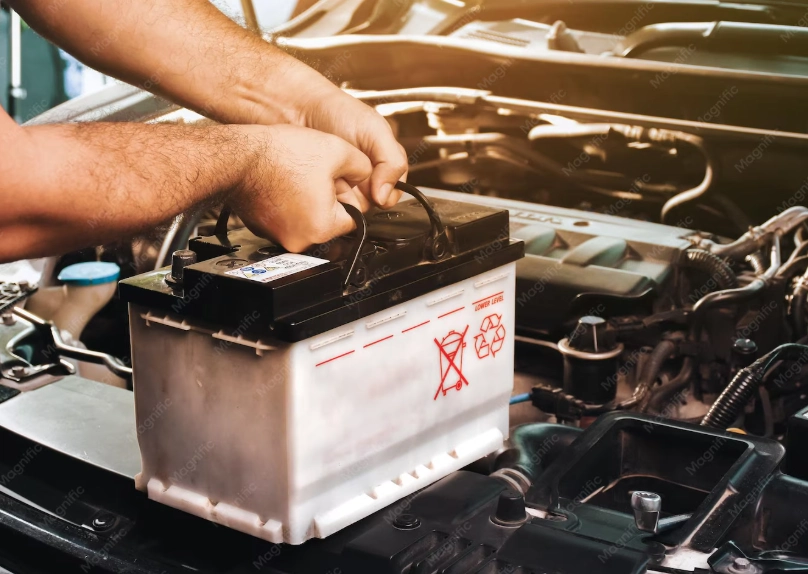
A weak battery often gives some warning before it finally stops cooperating. The engine may crank slowly, lights may appear weaker, or you may turn the key one morning and get almost nothing. For drivers searching for a car battery change nearby, the quickest solution can be professional roadside assistance. But if you are thinking about removing the battery yourself, the important part is not simply knowing where the terminals are. You need to understand what should happen before, during, and after removal.
This becomes especially important in Qatar, where high temperatures can be demanding on vehicle batteries. Whether your car is parked outside a home in Al Rayyan, in a basement in Doha, or has stopped unexpectedly in Lusail or Wakrah, battery work should never become a rushed trial-and-error job.
Before Touching the Battery, Confirm That It Is Actually the Problem
A car that will not start does not automatically have a failed battery.
A discharged or ageing battery can certainly cause starting trouble, but other electrical or mechanical faults may produce similar symptoms. Replacing a healthy battery will not fix those problems.
Common signs associated with a weak battery can include:
- Slow engine cranking
- Clicking when attempting to start
- Dim lights before the engine starts
- Electrical accessories behaving unusually
- The vehicle failing to crank
- Battery-related warning signs
The age and condition of the battery can provide additional clues, but symptoms alone are not always enough for a definite diagnosis.
If the car has stopped unexpectedly and you are unsure what is wrong, searching for car battery change nearby and arranging roadside assistance may be safer than immediately removing the existing battery.
Need help now? Drivers can call or WhatsApp AOne Qatar for available battery and roadside assistance services.
The First Rule: Never Start by Disconnecting Cables
Knowing how to switch car battery safely begins several minutes before you touch a terminal.
Park the vehicle on a stable, level surface and switch off the ignition completely. Remove the key where applicable and make sure unnecessary electrical equipment is switched off.
Then open the bonnet and locate the battery.
Before proceeding, inspect the area. Do not continue if you notice a damaged battery case, obvious leakage, severe swelling, excessive corrosion, unusual heat, or anything else that makes the battery unsafe to handle.
You should also check the owner’s manual. Modern cars can have model-specific battery procedures, battery monitoring systems, security settings, or electronics that may behave differently after the power supply is disconnected.
If anything about the setup is unfamiliar, stopping here is the sensible choice.
Planning a replacement rather than dealing with an emergency? You can book AOne’s available battery service online instead of attempting the replacement yourself.
Prepare Yourself and the Work Area
Battery replacement looks straightforward when viewed from above: loosen a few connections, lift the battery out, install another one.
The risks are hidden in the details.
A conventional automotive battery can deliver substantial electrical current. A metal tool bridging the wrong points can create a short circuit. Batteries are also heavy and contain corrosive material.
Before changing car battery, take basic precautions:
- Wear suitable eye protection and protective gloves.
- Remove loose jewellery such as bracelets and rings.
- Keep flames, cigarettes and sparks away.
- Use suitable insulated or appropriate hand tools.
- Keep metal objects away from the battery terminals.
- Work in a well-ventilated area.
- Keep children and pets away from the work area.
Do not place tools on top of the battery.
If you are stranded beside a busy road in Doha or Wakrah, the location itself can make DIY replacement unsafe. Traffic and limited working space add risks that have nothing to do with the battery.
For an urgent roadside battery problem, call or WhatsApp AOne Qatar for assistance.
Check the Replacement Battery Before Removing the Old One
One of the worst times to discover you have the wrong replacement battery is after the old battery has already been disconnected.
Battery selection involves more than finding something that physically fits.
Before removal, verify the specifications recommended for your vehicle. Depending on the vehicle, important factors can include battery dimensions, terminal position, battery technology, electrical rating, and compatibility with the vehicle’s charging and electrical systems.
Also look at how the existing battery is installed.
Where is the positive terminal? Where is the negative terminal? How is the battery secured? Are there covers, sensors, vent connections, or other components around it?
Taking a clear reference photo before disconnection can help you remember the original arrangement.
This preparation is a major part of understanding how to switch car battery properly. Installation should not begin with guesswork.
For a planned battery replacement, drivers around Lusail, Doha, Al Rayyan, and Wakrah can book AOne’s available battery service online.
Disconnecting the Old Battery: Sequence Matters
Once you have confirmed the correct procedure for your specific vehicle, pay close attention to terminal order.
On a conventional negative-ground vehicle, the negative terminal is generally disconnected first, followed by the positive terminal. This helps reduce the chance of accidentally creating a short circuit between the positive terminal and the vehicle body while using a tool.
But do not rely on a generic instruction if your vehicle manufacturer specifies a different procedure. The owner’s manual takes priority.
A sensible sequence is:
- Switch the vehicle completely off.
- Identify positive (+) and negative (-) terminals.
- Follow the manufacturer’s disconnection procedure.
- On conventional negative-ground systems, disconnect the negative terminal first where specified.
- Secure the disconnected cable so it cannot spring back onto the terminal.
- Disconnect the positive terminal.
- Remove the battery hold-down or retaining bracket.
- Lift the battery carefully and keep it upright.
Never force a terminal connector off by aggressively twisting or striking it.
A typical car battery change nearby service can remove the need to handle these steps yourself when you are uncertain about the correct procedure.
Urgent situation? Call or WhatsApp AOne Qatar for available roadside battery assistance.
The Battery Is Heavier Than It Looks
This is an easy detail to underestimate.
Many car batteries are heavy enough to cause injury if lifted awkwardly. Engine bays can also place the battery in an uncomfortable position, forcing you to lean forward while lifting.
Use the battery’s proper carrying handle when one is provided and keep it upright. Do not lift it by its terminals or cables.
Once removed, place it securely on a stable surface where it cannot tip over.
An old battery should also be handled and disposed of responsibly. Do not leave it with ordinary household waste or abandon it outside.
If lifting, access, corrosion, or the condition of the battery makes removal difficult, professional replacement is the better option.
For a non-urgent replacement, book AOne’s available battery service online.
Installing the New Battery Is Not Simply Removal in Reverse
Before fitting the replacement, inspect the battery tray and connections. The tray should be secure and free from anything that could prevent the new battery from sitting correctly.
Position the battery in the correct orientation and reinstall the retaining system. A battery should not be able to move around while the vehicle is being driven.
When reconnecting a conventional negative-ground vehicle, the usual sequence is the opposite of removal: positive first, then negative, provided this matches the manufacturer’s procedure.
During changing car battery, avoid overtightening terminal connections or forcing connectors that do not fit correctly.
Once installation is complete:
- Confirm that the battery is firmly secured.
- Check that terminal connections are secure.
- Make sure no tools remain in the engine bay.
- Refit any protective terminal covers.
- Start the vehicle according to the normal procedure.
- Check for warning lights or abnormal behaviour.
Some modern vehicles may require additional manufacturer-specified steps after battery replacement. This is another reason to check the owner’s manual before starting.
If the vehicle does not operate normally after installation, do not repeatedly disconnect and reconnect components hoping the problem disappears.
For roadside support within AOne’s available services, call or WhatsApp the team.
When DIY Battery Replacement Is Better Avoided
Knowing how to switch car battery also means recognising when not to do it yourself.
Professional help is preferable when:
- You cannot confidently identify the terminals.
- The battery is leaking, swollen, damaged, or unusually hot.
- There is heavy corrosion around the connections.
- The battery is difficult to access.
- You do not have suitable tools or protective equipment.
- You are working beside moving traffic.
- The vehicle has special battery replacement requirements.
- You are unsure whether the battery is actually causing the problem.
- The vehicle is an EV or hybrid and you cannot clearly distinguish the low-voltage system from high-voltage components.
A roadside breakdown is already inconvenient. Turning it into an electrical or personal safety problem makes the situation considerably worse.
If you need a car battery change nearby in Qatar rather than attempting the work yourself, contact AOne by call or WhatsApp for urgent assistance, or use online booking when you can plan the service in advance.
A Safe Battery Change Starts Before the Old Battery Comes Out
The most important part of changing a car battery is preparation. Confirm the likely fault, check the vehicle manufacturer’s instructions, select the correct replacement, protect yourself, and understand the terminal sequence before loosening anything.
For drivers in Doha, Lusail, Al Rayyan, Wakrah, and other parts of Qatar, AOne Qatar provides battery and roadside assistance when help is needed. For an urgent battery problem, call or WhatsApp AOne, while planned battery assistance can be booked online.
FAQs
1. Which battery terminal should I remove first?
On most conventional negative-ground vehicles, the negative terminal is generally disconnected first and the positive terminal second. However, always check the owner’s manual because manufacturer-specific procedures can differ.
2. Can I change my car battery myself in Qatar?
It may be possible on vehicles with a straightforward conventional battery setup if you have the correct battery, suitable tools, protective equipment, and the manufacturer’s instructions. If the battery is damaged, heavily corroded, difficult to access, or you are uncertain about the procedure, professional assistance is safer.
3. What should I check before buying a replacement battery?
Check the specifications recommended by the vehicle manufacturer. Battery dimensions, terminal layout, technology, electrical rating, and compatibility with the vehicle should all be considered rather than choosing a battery simply because it fits the tray.
4. Why won’t my car start even after installing a new battery?
The original problem may not have been the battery, the new battery may not be correctly connected, or another electrical or starting-system fault may exist. Some modern vehicles can also have specific procedures associated with battery replacement. If the problem continues, further diagnosis is advisable.
5. Should I replace a swollen or leaking battery myself?
It is better not to handle a battery that appears swollen, cracked, leaking, excessively hot, or otherwise damaged. Avoid unnecessary contact and arrange professional assistance rather than treating it as a routine DIY battery replacement.
