
Sand Recovery vs Vehicle Towing: Different Equipment for Different Situations
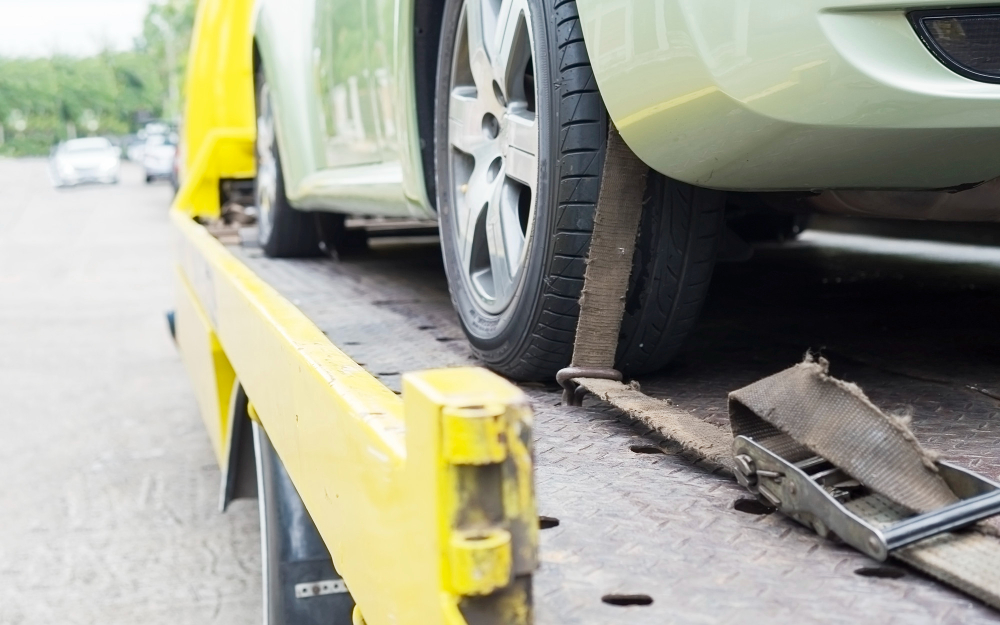
Getting stranded on tarmac is an inconvenience. Getting stuck in deep desert sand is a physical trap. While both leave you waiting for help, pulling a vehicle out of soft dunes requires a completely different approach than hauling a broken-down car off a highway. Calling a standard towing service in Qatar when your 4×4 is buried to its frame in Sealine sand often leads to two stuck vehicles instead of one. Understanding the difference between sand extraction and flatbed towing ensures you ask for the right rig, protect your underbody from damage, and get moving again safely.
The Mechanics: Pulling Through Sand Versus Rolling On Tarmac
When a vehicle breaks down on bitumen, its wheels still rotate. The job of a tow truck is straightforward: lift the vehicle onto a deck or raise its drive wheels, then roll it away.
Desert sand changes physics entirely. When tyres spin and sink into soft dunes, sand piles up against the chassis, crossmembers, and suspension arms. The sand acts like suction, anchoring the vehicle in place.
If you try to haul a bogged vehicle out using a rigid metal cable attached to a heavy truck, the resistance from the sand can rip off plastic bumpers, bend steering rods, or snap factory tie-downs. Sand recovery is about breaking suction and lifting the vehicle upward as it moves forward. Highway towing is simply about secure transport.
What Sand Recovery Requires: The Off-Road Toolkit
Heavy flatbed tow trucks are great for highways, but their weight works against them on sand. Drive a 10-tonne flatbed onto a dune, and its narrow front tyres will sink instantly.
Off-road extraction teams rely on light, modified 4×4 recovery vehicles fitted with specialized gear:
- Kinetic energy ropes: Unlike rigid steel winch cables, kinetic ropes stretch under load. As the recovery vehicle pulls forward, the rope stores kinetic energy and smooths out the force, gently popping the stuck vehicle out of the sand pit without jerking its frame.
- Soft shackles: Synthetic rope shackles replace heavy steel D-rings. They are safer to use under high tension and won’t scratch or bend factory recovery points.
- Traction boards: Heavy-duty plastic ramps placed directly under sunken tyres give the tread something solid to grip, allowing the vehicle to drive up and out of its own holes.
- High-volume air compressors: After extracting a car from dunes, the tyres must be re-inflated back to highway pressures before driving on paved roads.
What Highway Vehicle Towing Requires: The Transport Rig
If your engine locks up on the Doha Expressway, or your transmission fails on Salwa Road, sand recovery gear won’t help you. You need a dedicated transport vehicle.
Highway recovery relies on two main truck types:
- Hydraulic flatbeds: The entire bed tilts down to form a ramp. A winch pulls the disabled vehicle onto the deck, where all four wheels are strapped down securely. This is the safest option for luxury cars, low-clearance sedans, and all-wheel-drive vehicles.
- Wheel-lift trucks: A metal yoke cradles the front or rear tyres, lifting two wheels off the pavement while the other two roll behind. These work well in tight city parking structures where tall flatbeds cannot fit.
Why Calling The Wrong Service Causes Expensive Damage
Using the wrong equipment for the terrain usually leads to broken parts or longer delays.
Scenario A: Sending a flatbed into soft sand
A driver calls a general towing company after sinking into coastal beach sand. The flatbed operator arrives, drives off the tarmac, and gets stuck ten metres in. Now two trucks need extraction, and a specialized 4×4 unit has to be dispatched anyway.
Scenario B: Pulling a bogged car from its suspension
A well-meaning driver attempts to pull a buried sedan out of sand using a basic tow strap hooked to a control arm or plastic bumper loop. The resistance of the sand holds the car fast, bending the lower suspension arm or ripping the front fascia off entirely.
Quick Equipment Comparison
Situation | Correct Equipment | Why It Works |
Sunk in desert dunes or beach sand | Light 4×4 unit, kinetic rope, traction boards | Breaks sand suction without damaging chassis frame |
Engine or gearbox failure on asphalt | Hydraulic flatbed tow truck | Keeps all wheels stationary to prevent drive-system damage |
Car stuck in underground garage | Low-clearance wheel-lift truck | Fits under low ceiling clearances where flatbeds can’t tilt |
Accident damage with locked wheels | Flatbed truck with wheel dollies | Lifts dragging wheels off the pavement completely |
How We Help At Aone Roadside Assistance
We at Aone Roadside Assistance recognize that Qatar’s terrain demands different solutions depending on where you drive. A breakdown near West Bay requires a very different response than a vehicle stranded near Khor Al Adaid.
When you contact our dispatch team, we ask specific questions about your surface conditions before sending a team out.
Our services cover:
- Off-Road Sand Recovery: Equipping custom 4×4 extraction rigs with soft shackles, kinetic ropes, and onboard air systems to pull bogged vehicles out of dunes safely.
- 24/7 City & Highway Towing: Operating modern flatbed trucks for smooth transport of sedans, SUVs, and luxury vehicles across Doha and outer highways.
- On-Site Battery & Tyre Support: Providing mobile battery replacements, jump starts, and flat tyre repairs across all Qatar locations.
We match the equipment to your exact location so your car is handled carefully from start to finish.
Frequently Asked Questions
1. Can a standard flatbed tow truck enter desert sand to pull out a vehicle?
No. Heavy flatbed trucks sink quickly in soft sand, so sand extractions require specialized, lightweight 4×4 recovery vehicles.
2. How do recovery teams pull a car out of sand without damaging the bumper?
Technicians attach soft shackles and kinetic ropes directly to certified frame recovery points rather than steering rods or plastic bumpers.
3. Should I deflate my tyres if I get stuck in Qatar’s desert dunes?
Yes, lowering tyre pressure increases the rubber contact area with the sand, helping the car float up rather than dig deeper.
4. How long does desert sand recovery usually take in Qatar?
Response times depend on your distance from main roads, but once on-site, a standard snatch or winch extraction usually takes 15 to 30 minutes.
5. Does Aone provide off-road desert extractions as well as city towing?
Yes, Aone Roadside Assistance operates both dune-equipped 4×4 recovery units and flatbed tow trucks across Qatar 24/7.
