
How Long Can a Car Sit Unused in Qatar Before the Battery Dies?
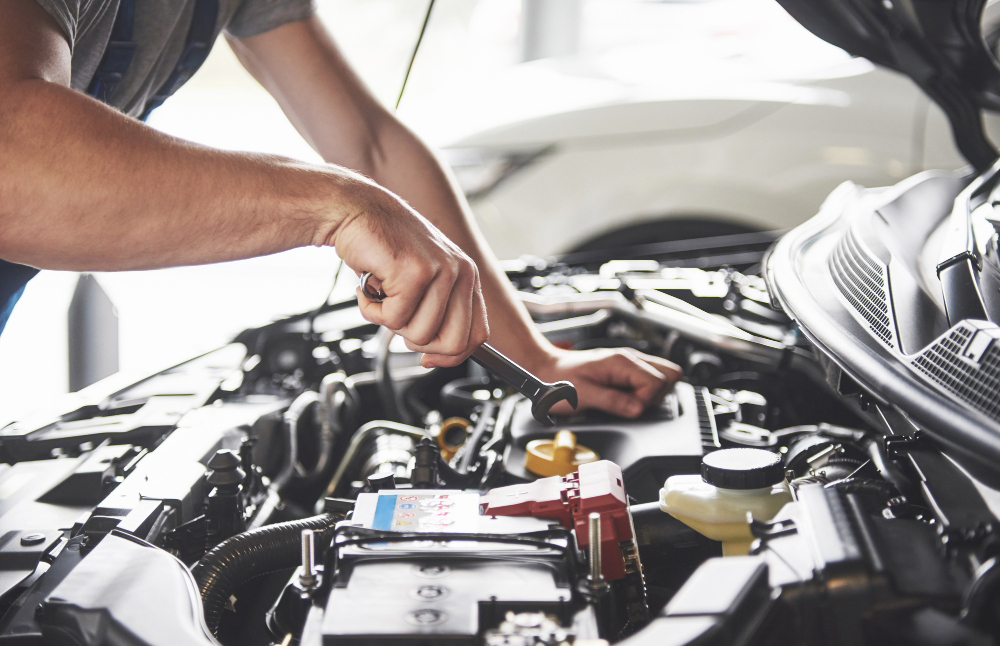
Leave your vehicle parked at Hamad International Airport while away on holiday, or in your driveway during a hot month, and you might return to a completely silent engine. Maintaining a healthy car battery in Qatar is trickier than in cooler climates, mostly because ambient heat speeds up internal power loss. Drivers who travel frequently or work from home often ask how long a vehicle can sit idle before the electrical system dies. In short, a healthy battery in Qatar lasts between one and two weeks without driving during summer. Knowing what causes this rapid drain helps you take simple precautions and avoid coming back to a flat battery.
How Long Can A Car Sit Idle In Qatar?
In mild climates, a car battery can often hold enough charge to start an engine after four to six weeks of sitting unused. In Qatar, that timeline is cut in half.
The exact amount of time depends heavily on the age of your battery and the time of year:
Battery Condition | Summer Months (June to September) | Winter Months (November to March) |
New Battery (Under 1 year old) | 10 to 14 days | 21 to 30 days |
Average Battery (1 to 2 years old) | 5 to 7 days | 14 to 20 days |
Old Battery (Over 2 years old) | 2 to 4 days | 7 to 10 days |
If your battery is already near the end of its typical two-year lifespan in the Gulf region, leaving the car parked for even a single week can leave you stranded.
Why Unused Car Batteries Die So Quickly In Qatar
Two main factors drain your battery while your vehicle sits idle: internal self-discharge caused by heat, and constant parasitic drain from modern car electronics.
1. Extreme heat accelerates self-discharge
Car batteries store electrical energy through internal chemical reactions. High ambient temperatures, especially summer days exceeding 40°C in Doha, cause these chemical reactions to happen much faster even when the car is turned off. Fluid inside lead-acid batteries evaporates, internal plates corrode, and the battery slowly loses its charge all by itself.
2. Parasitic draw from modern electronics
Turning off your engine doesn’t shut down your car’s electrical system completely. Modern vehicles continuously draw a small amount of electricity from the battery to power background systems:
- Alarm systems and keyless entry receivers
- Onboard computer modules (ECU) and memory settings
- Digital clocks and dashcams set to parking mode
This small, steady trickle of power is called a parasitic draw. Over a few days, this continuous draw combined with heat-induced self-discharge empties the battery’s reserve capacity.
Is Starting Your Car And Idling It For 5 Minutes Enough?
Many drivers ask a friend or neighbour to start their car once a week while they are away. However, starting the engine and letting it idle in the driveway for five minutes usually does more harm than good.
Starting an engine requires a massive burst of electrical power from the battery. An alternator needs higher engine revolutions (RPM) and roughly 15 to 20 minutes of continuous driving to replace the energy lost during that initial start. Idling for just five minutes actually leaves the battery with less total charge than before you turned the key.
If someone is starting the car for you while you are away, ask them to drive it on open roads for at least 15 to 20 minutes with the air conditioning running at a moderate level.
How To Protect Your Car Battery While You Are Away
If you plan to leave Qatar for a few weeks or know your vehicle will sit unused, taking a few simple steps can prevent a dead battery:
- Park in a shaded or covered space: Keeping your car inside an underground garage or shaded parking area shields the engine bay from direct sunlight, reducing heat-driven battery discharge.
- Disconnect the negative battery terminal: If you are traveling for longer than two weeks, disconnecting the negative (black) cable stops all parasitic battery draw from your car’s electronics.
- Unplug aftermarket accessories: Dashcams, phone chargers, and GPS trackers plugged into 12V sockets continue pulling power even when the engine is off.
- Test your battery before traveling: If your battery is more than 18 months old, get its health tested before leaving your vehicle at the airport or at home.
What To Do If Your Car Battery Dies After Sitting
When you return to a vehicle that refuses to turn over, forcing the ignition repeatedly will only damage the starter motor.
If turning the key produces a rapid clicking sound, or if your doors won’t unlock with the remote fob, your battery has dropped below the operational voltage needed to crank the engine. In many cases, a simple boost will get you moving again. However, if the battery was completely drained for several weeks in high heat, its internal cells may have sulfated, meaning it can no longer hold a charge and requires replacement.
How We Help At Aone Roadside Assistance
We at Aone Roadside Assistance understand how frustrating it is to land at the airport or walk out to your driveway after a long trip, only to find a flat battery. Our team provides fast, mobile service across Doha and wider Qatar locations so you don’t have to worry about getting stuck.
Our 24/7 services include:
- Mobile Battery Diagnostics: On-site testing to see if your battery just needs a recharge or a full replacement.
- On-Demand Jump Start Service: Safe, professional jump-starting to get your engine running without damaging delicate vehicle electronics.
- Mobile Car Battery Replacement: Delivery and fitting of heat-resistant, high-capacity batteries anywhere in Qatar, including airport parking lots and home driveways.
- Full Roadside & Towing Support: Flat tire help, fuel delivery, and flatbed towing service if your car faces broader mechanical problems.
Whether you need a quick boost or a new battery fitted on the spot, our technicians get you back on the road safely and without delay.
Frequently Asked Questions
1. How long can I leave my car at Hamad International Airport without the battery dying?
If your battery is relatively new, your car can usually sit at the airport for up to two weeks. If the battery is over 1.5 years old, it may go flat within 5 to 7 days during summer.
2. Will disconnecting the battery reset my car settings?
Yes, disconnecting the negative terminal may reset your digital clock, radio presets, and trip meter, but it preserves your battery charge while you are away for extended periods.
3. Can a completely flat battery be saved with a jump start?
If the battery went flat recently, a jump start and a 30-minute drive will recharge it. If it sat completely dead for weeks in heat, the internal plates may be damaged beyond recovery.
4. Why do car batteries fail faster in Qatar than in Europe?
Qatar’s high ambient heat speeds up chemical degradation and fluid evaporation inside lead-acid batteries, cutting average battery lifespan down to 18–24 months.
5. Can Aone replace my battery while my car is parked in an airport garage?
Yes. Aone Roadside Assistance provides 24/7 mobile battery testing, delivery, and installation at home, work, or airport parking facilities across Doha.
6. What should I do if my car won’t start after a jump start?
If the car dies immediately after removing the jumper cables, the problem is likely a faulty alternator rather than just a flat battery, requiring workshop transport via flatbed towing service.
