
Emergency Breakdown Checklist Every Driver In Qatar Should Save
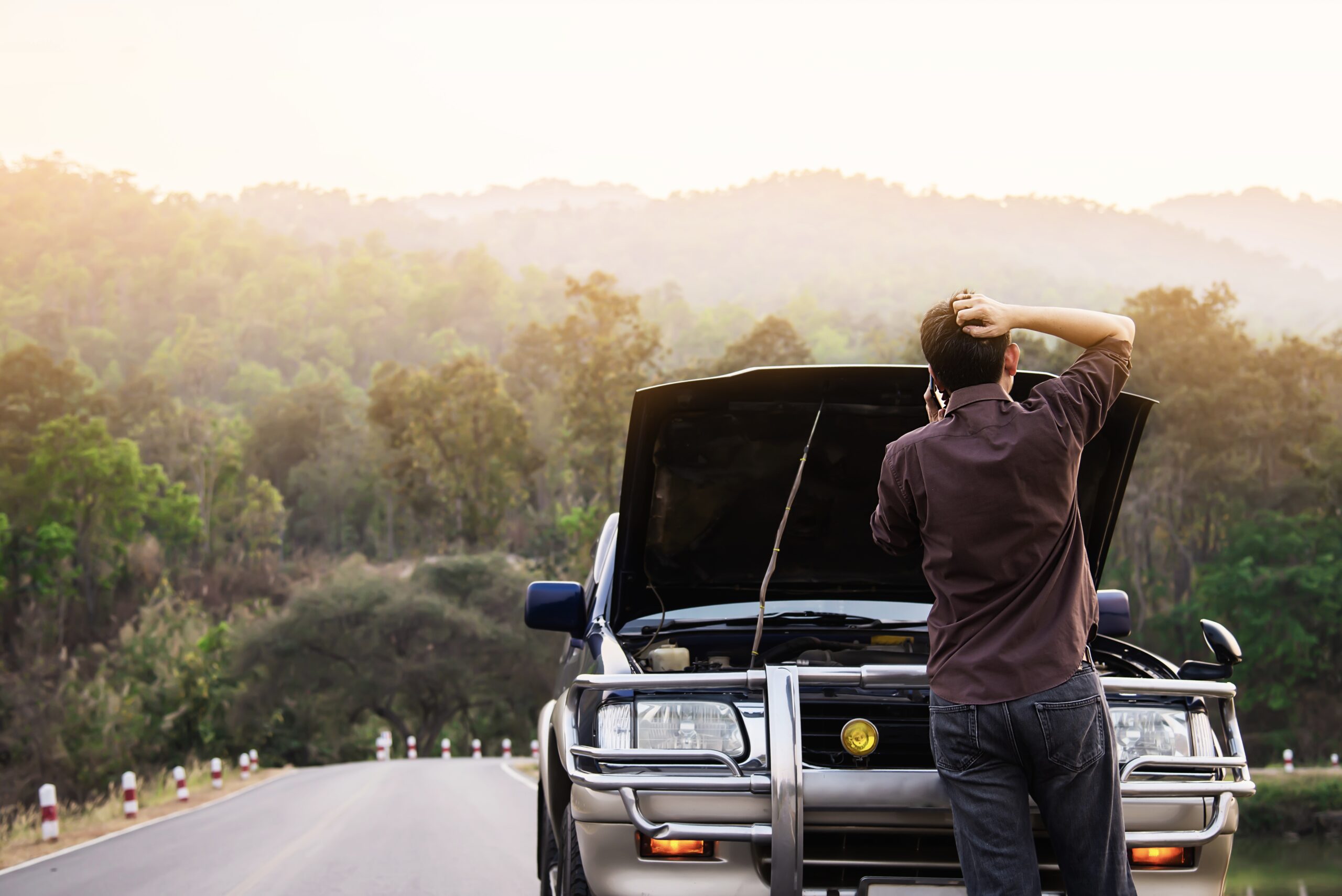
Most drivers assume breakdowns happen to other people. Until they don’t.
You’re on Al Wakrah highway. The engine light blinks. The car slows. Traffic behind you is not slowing. Knowing what to do in those first 90 seconds makes the difference between a manageable situation and a genuinely dangerous one.
Having a car breakdown service nearby in your contacts before that moment? That’s not overthinking. That’s just being a driver in Qatar.
The First Two Minutes Decide Everything
When your car fails on a Qatar road, panic is the worst move. Distraction is the second worst. Here is what actually matters straight away:
- Signal immediately: Hazard lights on before you do anything else. Not after you pull over. The moment you sense something is wrong.
- Steer left: Move to the hard shoulder or emergency lane as smoothly as traffic allows. Do not brake sharply.
- Get the car off the tarmac entirely: if you can. Even a metre off the live lane changes your risk significantly.
- Turn your wheels away from traffic: Once stationary. If your car gets hit from behind, it rolls away from the road rather than into it.
That is your first 120 seconds. Everything else comes after.
What To Keep In Your Car At All Times?
Qatar summers are not forgiving. A breakdown at 3pm in August is a health risk as much as a traffic one. These are not optional items:
- Warning triangle: place it 50 to 100 metres behind your vehicle on highways. Visibility matters at speed.
- Reflective vest: wear it before stepping out of the car. Be seen.
- Water: at minimum two litres. Waiting in 45-degree heat without water is not something you want to experience once.
- Torch: for night breakdowns or checking under the bonnet.
- Phone charger or power bank: a dead phone during a breakdown is a genuine emergency layered on top of another one.
- Basic tyre pressure gauge: not to fix anything, but to diagnose quickly.
One more: save the number of a reliable car breakdown service nearby in your phone. Not in your email. Not on a scrap of paper in the glovebox. In your contacts, under something obvious.
The Safety Steps Most Drivers Skip
Getting out of the car on a highway is where a lot of breakdown situations become accident situations. Three things:
Stay Behind The Barrier If There Is One
Not near your car. Behind the barrier. Many drivers stand beside their vehicle thinking they are visible. They are visible. That is not the same as being safe.
Do Not Attempt Repairs On A Live Road
A loose wire, a flat tyre, a leaking coolant pipe. None of these are worth fixing yourself when vehicles are passing at 120 km/h. Get the car to a safe stop and call for help.
Keep Passengers Away From The Vehicle
If you have children or passengers, move them well and keep them there. The instinct is to stay together near the car. The right move is distance.
What To Actually Tell The Breakdown Service
When you call a car breakdown service nearby, the faster they can locate and help you, the better. Most people call and say “my car broke down.” That is not useful information. Tell them:
- Your exact location, road name, nearest landmark, direction of travel
- What the car is doing (or not doing)
- Your car make, model, and colour
- Whether you are on a highway, inside the city, or in an area outside Doha
The more specific you are, the faster help arrives. Vague locations add 15 to 30 minutes to response times in practice.
Common Breakdowns And What Not To Do
Battery Failure
The most frequent breakdown in Qatar. Heat degrades batteries faster than almost any other climate factor. Your battery may be fine in February and gone by July.
Do not attempt to jump-start using cables from an untrained stranger’s car if you are unsure of the voltage. Incorrect jump-starting on a modern car with sensitive electronics can cause more damage than the dead battery itself. Call a professional.
Flat Tyre
If you have a spare and feel confident, changing a tyre on a quiet side road is manageable. On a highway? Do not do it. Get the car as far off the road as possible, put your hazard lights and triangle out, and call a car breakdown service nearby to handle it safely.
Running Out Of Fuel
It happens. No judgement. Do not leave your car and walk to a petrol station on a highway. Stay in the vehicle, hazard lights on, and arrange fuel delivery.
Overheating Engine
Pull over. Turn off the engine. Do not open the radiator cap while the engine is hot. Wait at least 30 minutes before touching anything under the bonnet. If coolant is visibly leaking, the car needs to be towed.
A Quick Reference Checklist
At The Moment Of Breakdown:
- Hazard lights on immediately
- Move to the hard shoulder
- Wheels turned away from traffic
- Warning triangle placed 50-100 metres back
- Reflective vest on before exiting
After Stopping Safely:
- Passengers moved away from the vehicle
- Location noted (road name, landmark, GPS pin)
- Breakdown service called with full details
- Do not attempt roadside repairs on a live road
Items To Keep In The Car:
- Warning triangle
- Reflective vest
- Water (minimum 2 litres)
- Torch
- Phone charger or power bank
- Number of a trusted car breakdown service nearby saved in your phone
The Call You Should Make Before You Need It
Breakdowns are not predictable. The response to them can be. Drivers who handle breakdowns well are not lucky, they are prepared. They have the checklist in their head, the right items in the boot, and a number they trust already saved.
Aone Roadside Assistance operates 24 hours across Qatar, covering battery replacement, flat tyres, fuel delivery, towing, and more. Save the number now: +974 3011 6767. Because the time to find a reliable car breakdown service nearby is well before you actually need one.
FAQs
1. What should I do first if my car breaks down on a highway in Qatar?
Your first priority is safety. Turn on your hazard lights immediately, steer your vehicle to the hard shoulder or emergency lane if possible, and stop in a safe location away from moving traffic. Once parked, use a warning triangle and contact a reliable car breakdown service nearby.
2. What emergency items should every driver keep in their car in Qatar?
It is a good idea to carry a warning triangle, reflective vest, drinking water, torch, phone charger or power bank, and a tyre pressure gauge. These essentials can help you stay safe and prepared while waiting for roadside assistance.
3. Is it safe to change a flat tyre on a busy road?
Not always. If your vehicle has broken down on a highway or in heavy traffic, it is generally safer to move to a secure location and call a professional car breakdown service nearby rather than attempting repairs beside fast-moving vehicles.
4. What information should I provide when calling roadside assistance?
Be ready to share your exact location, nearby landmarks, direction of travel, your vehicle’s make and model, and a brief description of the problem. Clear information helps the roadside assistance team reach you more quickly.
5. Why is roadside assistance especially important in Qatar?
High temperatures, long driving distances, and busy highways can make vehicle breakdowns more challenging. Having access to a trusted roadside assistance provider ensures you can get professional help quickly, whether you need battery replacement, tyre assistance, fuel delivery, or towing.
