
Most Common Roadside Emergencies Faced By Drivers In Qatar
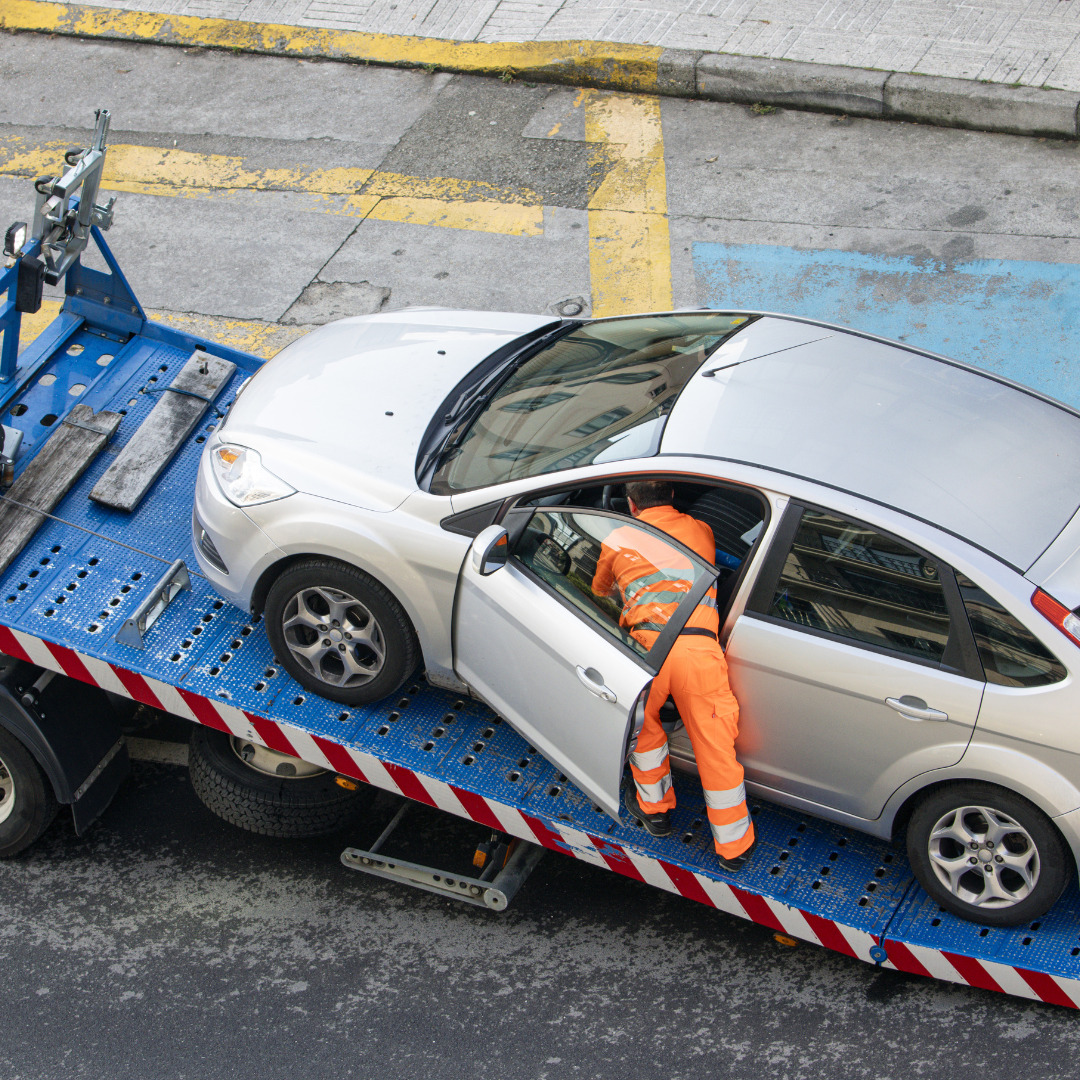
You’re driving in Qatar and your car stops. Something breaks and you’re stuck on the side of a highway with heat blasting through the window. That’s when roadside assistance in Qatar matters most. Dead batteries. Flat tires. Empty fuel tanks. These emergencies aren’t rare in Qatar, they’re routine.
The Emergencies That Actually Happen
Qatar’s roads will test your car. The heat does most of the work.
Battery Failures Come First
July hits 50°C. Your battery was fine yesterday. Today it won’t crank. The car sits silent. You turn the key and nothing comes back.
The problem is temperature swings. In the morning you leave at 35°C. Afternoon it’s 65°C in the parking lot. At night it drops again. Batteries don’t like cycling that hard. The chemistry degrades. One day you notice slow cranking. Three days later the car refuses to start.
Some batteries give warning. Dim lights. Clicking instead of cranking. Some don’t. They work at breakfast and quit at dinner.
Flat Tires Come Second
You don’t see the pothole on Sheikh Zayed Road until your tire hits it. Or you drive through construction debris near Al Wakrah. Or your tire ages faster because the heat hardens the rubber.
What causes flats in Qatar:
- Potholes on older stretches of road
- Construction debris around new projects
- Tires running low pressure (some drivers think this helps — it doesn’t)
- Tire age accelerated by heat
Running Out Of Fuel Happens More Than Drivers Admit
The gauge shows a quarter tank. Traffic on the E-Ring thickens. You sit idling. AC maxed. The fuel meter drops faster than distance. Suddenly you’re empty three kilometers from the station.
Jump Starts Catch You Off Guard
Not every dead battery needs replacement. Sometimes it’s just discharged enough that the starter clicks but won’t turn the engine over. A jump gets the system working. Gets you off the highway.
Towing Is The Last Resort
Engine seizes. Transmission fails. You hit something hard enough that the car won’t drive. Towing moves the car to a garage instead of stranding it roadside.
Why Qatar Specifically
The heat is the primary culprit. Doha summers are brutal on cars.
Batteries lose capacity at higher temperatures. Metal corrodes quicker. A battery lasting four years in Europe lasts three in Qatar.
Driving patterns pile on. Stop-and-start traffic stresses engines and batteries. You’re not moving. AC runs nonstop. The alternator struggles. Battery charge drops while idling.
Road conditions matter too. Maintenance gaps. Older paving alongside new highways. You transition from smooth asphalt to rough patches without warning. Potholes appear. Construction debris spreads.
When It Actually Happens
Reaction counts. Panicking doesn’t.
- Battery dies: Either jump it or replace it. Near home? A jump gets you there. On the highway? Replacement is faster. Don’t waste time coaxing a dead battery to life.
- Flat tire: If you have a spare and traffic light, change it. If damage is severe or you’re on a main road, call for help. Changing a tire on an E-Ring isn’t worth it.
- Out of fuel: Call for delivery. Coasting doesn’t always work.
- Car won’t move: Get it towed. Trying to limp to a garage breaks things worse.
The mental part is the real problem. You’re late. You’re hot. You want this fixed now. That’s when people make dumb choices.
Conclusion
Stuck alone on a Qatar highway is genuinely bad. The heat builds. Other drivers fly past. You’re trying to figure out what’s next while managing the basics like not passing out from the temperature.
Calling roadside assistance in Qatar means someone who knows these roads arrives with the right tools. They handle battery replacement, tire service, fuel delivery, whatever your car needs. While they work, you sit in the shade. They handle it. You don’t melt.
The difference is real. Struggling alone for 45 minutes in 50°C is different from waiting 20 minutes for someone who knows what to do.
Most drivers face one of these emergencies. When you do, getting proper roadside assistance in Qatar makes it manageable instead of a disaster.
That matters when you’re stopped wondering what happens next.
Aone Roadside Assistance is available 24/7 across Qatar. Battery replacement, tire service, fuel delivery, and towing. Call them when you need help.
Frequently Asked Questions
1. What is the most common roadside emergency in Qatar?
Battery failure is one of the most common roadside emergencies in Qatar due to extreme summer temperatures. High heat can reduce battery life and cause sudden breakdowns, often requiring jump-starts or battery replacement.
2. How quickly can roadside assistance reach me in Qatar?
Response times vary depending on your location and traffic conditions. Most professional roadside assistance providers in Qatar aim to reach stranded drivers as quickly as possible, especially on major roads and highways.
3. Can roadside assistance help if I run out of fuel?
Yes. Many roadside assistance services in Qatar provide emergency fuel delivery, helping drivers who unexpectedly run out of fuel and cannot reach the nearest petrol station.
4. Should I change a flat tire myself or call for help?
If you are in a safe location and have the proper tools, you may change the tire yourself. However, on busy highways or in extreme heat, it is often safer to call roadside assistance in Qatar for professional tire replacement support.
5. What services are usually included in roadside assistance in Qatar?
Most roadside assistance providers offer battery jump-starts, battery replacement, flat tire assistance, fuel delivery, vehicle unlocking, and towing services to help drivers get back on the road quickly and safely.
