
How Qatar’s Summer Heat Affects Car Batteries (And When to Replace)
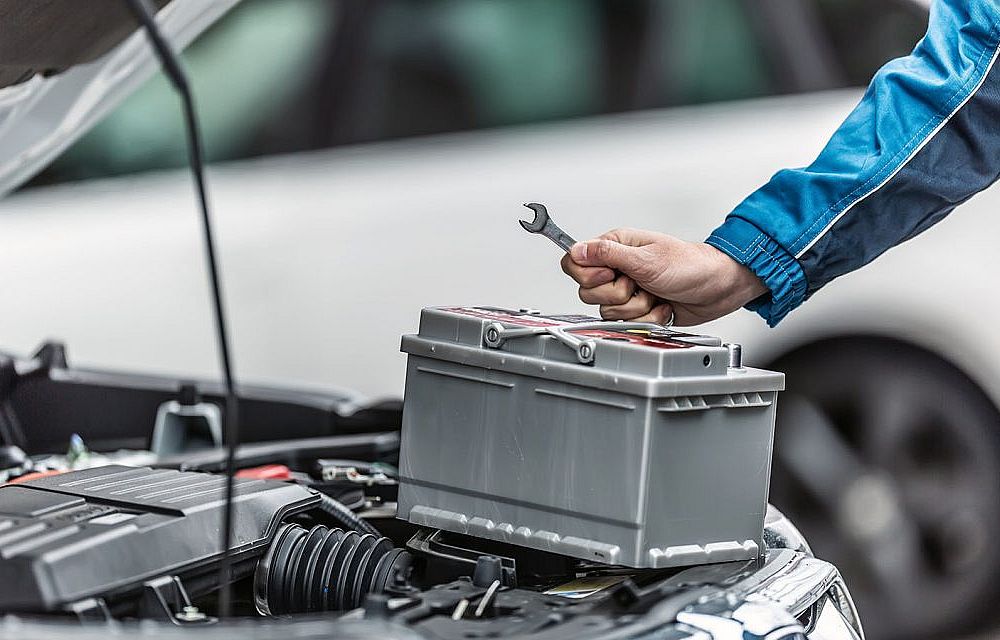
Qatar’s heat doesn’t just make you uncomfortable. It kills car batteries. The chemistry is simple. Heat accelerates the process that should take years and compresses it into months. When that happens, finding the best car battery replacement nearby becomes urgent instead of optional.
What Heat Actually Does
Inside your battery, lead plates sit in sulfuric acid. Chemical reactions generate electrical current. Normal operating temperature is 26°C to 32°C. Qatar’s summer? 65°C to 80°C inside the car when parked.
Heat changes everything:
Chemical Reactions Accelerate
More current flows. The battery drains even when the engine’s off. Overnight in the sun, you lose charge. This happens every day for months.
Water Evaporates Inside The Battery
Batteries need internal moisture for reactions. Heat evaporates it. The acid concentration changes. Balance breaks.
The Plates Corrode Faster
Lead reacts with sulfate particles. Heat makes oxidation happen quicker. Capacity drops.
Terminals Corrode
Heat accelerates corrosion on battery terminals and cable connections. Corrosion creates resistance. Current struggles to flow even when the battery’s technically charged.
The battery didn’t fail. It degraded. Heat just made it happen faster than nature intended.
The Warning Signs Nobody Pays Attention To
You don’t wake up with a dead battery. You get warnings first.
Slow Cranking
The starter turns the engine over but sounds sluggish. Takes longer. This is the earliest sign. The battery’s losing capacity but still has enough juice to start. For now.
Dim Lights
Headlights flicker. Dashboard lights brighten and fade. The battery can’t maintain consistent voltage. It’s struggling.
Electrical Delays
Windows take longer to roll up. AC hesitates. The radio cuts out when you start the engine. Every electrical system fights for power.
The Clicking Sound
You turn the key and hear rapid clicking instead of cranking. Click-click-click-click. The battery has barely enough power for the starter but can’t turn the engine. You’re close to stranded.
Complete Failure
Next morning: nothing. Dead.
Most drivers ignore the early signs. Slow cranking seems normal. Dim lights get blamed on the bulbs. By the time it clicks, you’re on borrowed time.
When To Actually Replace It
Battery manufacturers claim five-year lifespans. Qatar heat rewrites that timeline.
A battery rated for five years lasts three to four years here. The heat doesn’t care about the warranty.
Year one and two: normal. Works fine.
Year two to three: heat damage accumulates. You notice slow cranking on hot days. But it still starts most of the time.
Year three onwards: you’re gambling. Some mornings it starts. Some hesitate. Eventually it won’t.
Smart drivers don’t wait for failure. They replace it when they see warning signs. Slow cranking in summer is a sign you need the best car battery replacement nearby before you get stranded on an E-Ring in the afternoon.
A five-year-old battery is finished here. A three-year-old battery with warning signs? Replace it now. Don’t risk being stuck at 3pm in 50°C heat.
Why Professional Replacement Matters
Replacing a battery looks simple. Disconnect, remove, install, connect. But installation details matter.
The right battery for Qatar heat is critical. Not all batteries handle extreme temperatures equally. Some fail faster. Others are built for climates like this.
Installation quality matters too. Terminals must be clean. Cables must be tight. Connections must be secure. Loose terminals cause failures later when vibration works them loose.
Professional installation gets this right. The technician knows which battery performs in Qatar heat. They clean connections properly. They secure everything tight. They give you a real warranty.
When you find the best car battery replacement nearby, you’re not just swapping parts. You’re getting a battery chosen for this climate. You’re getting a proper installation. You’re getting back up if something fails.
Conclusion
Batteries don’t last five years here. Three years if you’re preventative. Three to four if you’re reactive. That’s the real timeline.
When warning signs appear, act. Don’t gamble. Don’t wait for complete failure.
The chemistry doesn’t change. The heat wins. Your battery loses. The only question is whether you replace it before it fails or after.
Aone Roadside Assistance provides professional battery replacement 24/7 across Qatar with batteries engineered for extreme heat. When you need the best car battery replacement nearby, they handle it with proper installation and warranty coverage.
Frequently Asked Questions
1. How long does a car battery typically last in Qatar?
Due to Qatar’s extreme temperatures, most car batteries last around 3 to 4 years rather than the 5 years often advertised by manufacturers. Constant exposure to heat accelerates battery wear and reduces overall lifespan.
2. What are the signs that my car battery needs replacement?
Common warning signs include slow engine cranking, dim headlights, electrical system delays, dashboard warning lights, and clicking sounds when starting the vehicle. These symptoms often indicate that a battery replacement may be needed soon.
3. Can extreme heat damage a new car battery?
Yes. Even a new battery can be affected by prolonged exposure to extreme temperatures. However, high-quality batteries designed for hot climates generally perform better and last longer under Qatar’s harsh summer conditions.
4. Should I replace my battery before it completely fails?
Yes. Waiting for complete battery failure can leave you stranded unexpectedly. If your battery is more than three years old and showing signs of weakness, it is usually safer to arrange a replacement before it stops working altogether.
5. Why should I choose professional car battery replacement services?
Professional technicians can recommend the right battery for Qatar’s climate, ensure proper installation, clean battery terminals, secure all connections, and provide warranty support. This helps improve reliability and reduces the risk of future battery-related issues.
