
Ignoring Car Warning Signs Can Lead To Vehicle Towing Services – Here’s How
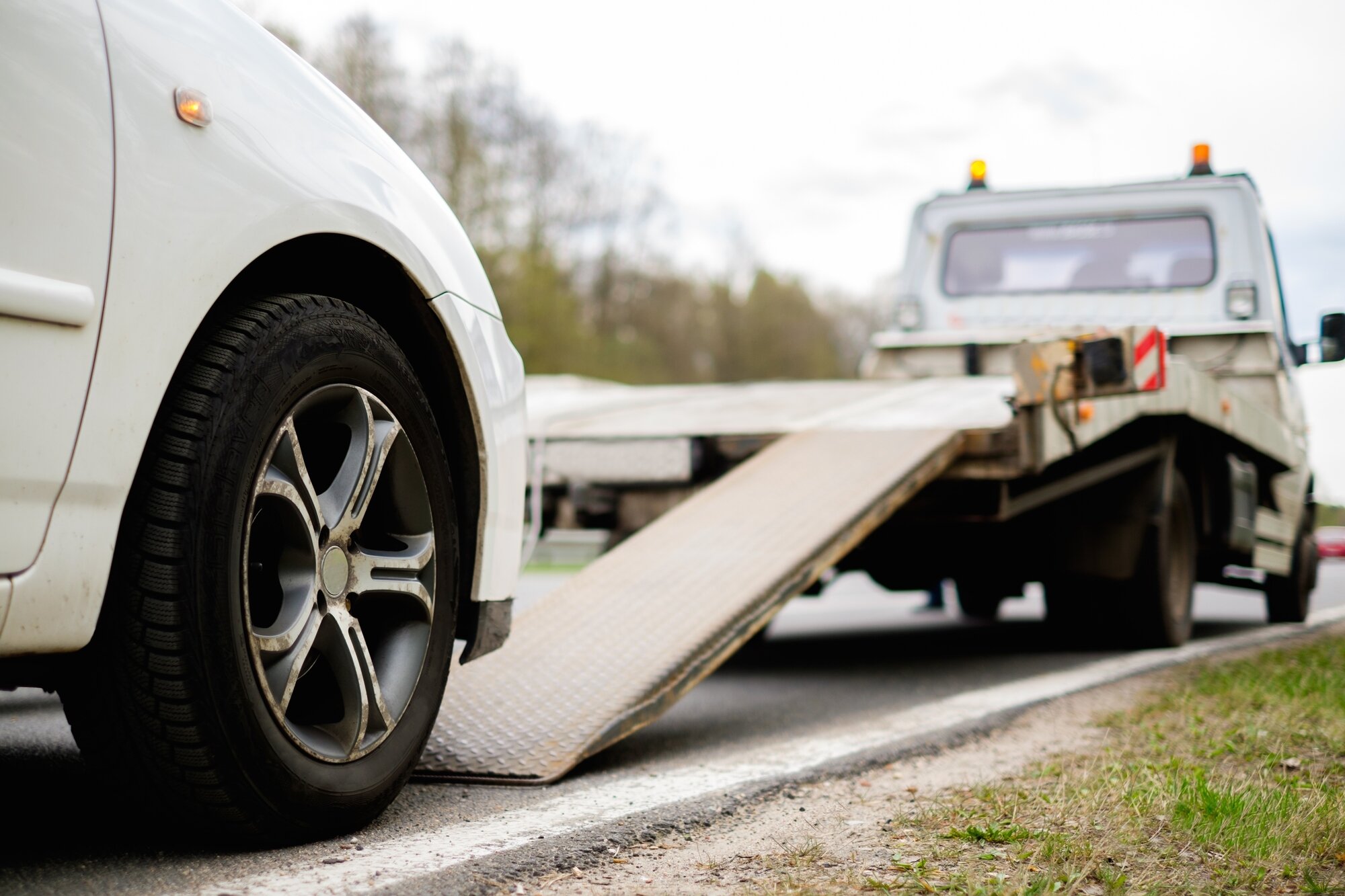
Every tow jobs we do at Aone Qatar has a backstory. And more often than not, that backstory includes a warning the driver noticed, thought about for half a second, and then ignored. The check engine light that had been on for three weeks.
The sound that started last Tuesday. The temperature gauge that crept up once and then “went back to normal.” These aren’t separate problems. They’re the same problem at different stages, and the final stage is searching for vehicle towing services nearby because the car won’t move anymore.
We’re not writing this to alarm anyone. We’re writing it because the gap between a workshop visit and a flatbed is almost always a decision that gets made too late.
The Temperature Gauge You Stopped Watching
This one follows the same script almost every time. The needle climbs past the midpoint during a traffic jam. The driver notices, maybe turns off the AC, and the needle settles back down. Problem solved, apparently.
Except the needle climbed for a reason. Low coolant, a failing thermostat, a water pump on its way out, a radiator fan that’s stopped kicking in when it should. Any of these, caught early, is a workshop repair. Maybe a couple of hundred riyals. Maybe an afternoon without the car.
Left alone, the coolant system eventually fails completely. The engine overheats for real. Not the gentle climb that scared you last month, but the kind where steam comes out from under the bonnet and the car shuts itself down to prevent permanent damage. If the engine has warped or the head gasket has blown, you’re looking at thousands in repairs. And you’re looking at it from the passenger seat of a tow truck, because that car isn’t driving anywhere.
We tow overheated vehicles every week in Doha. Summer makes it worse, but it happens year-round. In nearly every case, the driver tells us they’d noticed the gauge behaving oddly “a while ago.”
The Noise You Turned The Radio Up For
Sounds are harder to ignore than dashboard lights, which is why people get creative about ignoring them. Radio goes up a notch. Windows stay closed. “It only does it when I brake, so I’ll brake less hard.”
A grinding sound from the brakes means the pads have worn through to metal. Metal on metal doesn’t stop the car well, damages the rotors, and eventually compromises the calliper. What started as a 300-riyal brake pad replacement becomes a 2,500-riyal brake system overhaul. And if the brakes fail while driving, the conversation shifts from repair costs to safety, and the outcome is a call for vehicle towing services nearby after something much worse than an inconvenience.
Whining from the power steering pump follows a similar arc. Clunking from the suspension does too. The car tells you things are wearing out by making noise. The noise is the warning. The silence after the noise is the failure.
The Light You Assumed Was A Glitch
Check engine lights stay on for reasons. Sometimes trivial. A loose fuel cap triggers it. An oxygen sensor reading slightly off triggers it. These are real but minor, and they’re part of why people learn to ignore the light entirely.
The problem is that the light doesn’t change colour or shape based on severity. The same amber icon that means “your fuel cap is loose” also means “your catalytic converter is failing” or “your engine is misfiring under load.” You can’t tell from the dashboard which one it is. Only a diagnostic scan tells you, and the scan takes ten minutes.
We’ve towed cars where the check engine light had been on for months. The driver assumed it was the usual sensor nonsense. It wasn’t. By the time the engine started losing power on the highway, the damage was done and vehicle towing services nearby was the only option left.
If the light is on, get it scanned. If the scan shows something minor, you’ve lost ten minutes. If it shows something serious, you’ve caught it before it stranded you.
The Pattern Underneath All Of This
Every example above follows the same shape:
- A warning appears. Small, manageable, easy to dismiss.
- The driver rationalises it. “It’s probably nothing.” “It went away.” “I’ll deal with it next month.”
- The underlying problem worsens because it was never addressed.
- The car fails in a way that can’t be driven through.
- The driver searches for vehicle towing services nearby and pays more for the tow plus the repair than the early fix would have cost.
That cycle repeats across our callout logs constantly. Temperature, brakes, engine lights, transmission, electrical. Different systems, identical pattern.
The cheapest tow is the one you never need. And the way to never need it is to stop treating warnings as suggestions.
Aone Qatar provides both roadside assistance and towing across Doha, but we’d genuinely prefer you called us for a preventive check than a breakdown recovery. If something in your car has felt off lately, sorting it now costs less than sorting it later.
FAQ’s
Can ignoring a temperature gauge warning lead to major engine damage?
Yes. Problems like low coolant, thermostat failure, or radiator fan issues can worsen over time and eventually cause severe overheating and engine damage.
What does a grinding sound while braking usually mean?
A grinding noise often means the brake pads have worn down completely, causing metal parts to rub together and damage the braking system.
Is it safe to ignore a check engine light if the car still drives normally?
Not always. Some check engine warnings are minor, but others can point to serious engine or performance issues that may worsen if left unchecked.
Why do unusual car noises matter?
Sounds like whining, clunking, or grinding are often early signs that parts are wearing out or failing and should be checked before the problem becomes more expensive.
How can early repairs help avoid towing services?
Fixing warning signs early can prevent breakdowns that leave the vehicle undrivable and needing roadside recovery or towing.
