
Is Towing Safe for Your Car? What Drivers in Qatar Should Know
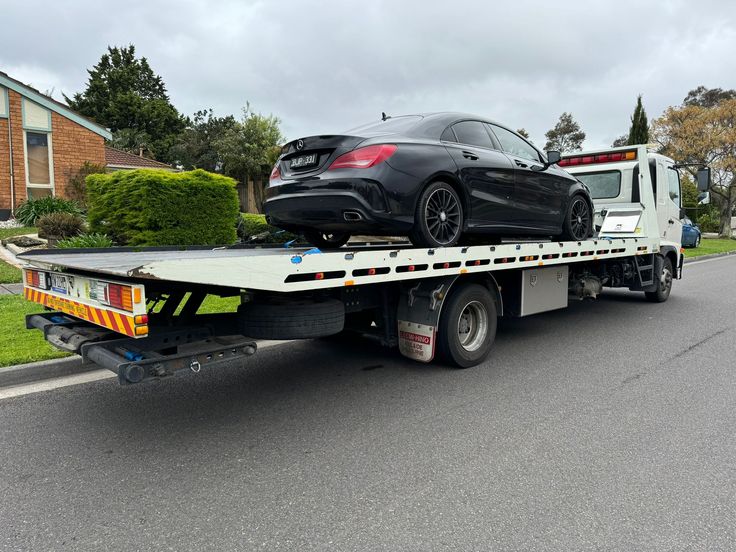
Here is the honest version of this question: towing is safe. Bad towing is not. And in Qatar, where the difference between a good qatar towing service and a rushed one can show up as a repair bill three weeks later, understanding which is which matters more than most drivers realise until it is too late.
This is not a scary piece. Plenty of tows go completely fine. The car gets loaded, transported, delivered, nothing to report. But when things go wrong during towing, they tend to go wrong quietly. No immediate noise, no obvious sign at the scene.
Just a drivetrain problem or an electrical fault that shows up later, in a workshop, at a cost that is awkward to explain.
So the practical question is: what does a safe tow actually look like, and how do you know you are getting one?
Not all tow trucks work for all cars
This is probably the most important thing in this article, and it gets skipped in the moment more often than it should.
There are two main methods. Flatbed towing, where the whole vehicle sits on a platform with all four wheels off the ground. And wheel-lift or dolly towing, where the front or rear wheels are lifted and the other pair stays on the road surface.
Flatbeds are safer for the majority of modern vehicles. It is the right call for:
- AWD and 4WD vehicles, full stop
- Automatics that cannot be placed in neutral for towing
- Low-clearance cars with front splitters or body kits
- Any vehicle where the mechanical condition is unclear
Wheel-lift works fine in specific situations, mostly short distances with two-wheel drive manual vehicles. The problem is that it gets used outside of those situations because it is faster to deploy and cheaper to operate. An AWD vehicle towed with two wheels down and no driveshaft disconnection can suffer transfer case damage that is invisible at the time and expensive later. That is not a rare scenario. It happens.
When you call for a car towing service nearby, one of the first things to establish is what truck is coming and whether the operator knows your drivetrain type. If they have not asked, you should volunteer.
What to check before the truck arrives
Most people call a tow service, give their location, and wait. That is understandable. You are stressed, possibly stranded somewhere uncomfortable, and you just want someone to show up. But 60 seconds of questions before confirming the booking protects the car considerably.
Ask the operator:
- What type of tow truck are they sending?
- Have they noted the vehicle make, model, and whether it is AWD or 4WD?
- Do they carry ramps or loading ramps adjusted for low ground clearance vehicles?
- What are the tie-down points they use for your vehicle type?
A decent operator fields these without hesitation. If the response is vague, or if the person on the phone clearly has not dealt with your type of vehicle before, push back. The alternative is hoping it goes fine.
One more thing worth knowing: Qatar’s summer heat means vehicles that have been sitting in direct sun for any length of time have hot brake rotors, pressurised coolant systems, and stressed rubber. A careful operator loads these differently to a car that broke down on a cool evening. If yours does not seem to be making that distinction, say something.
Qatar’s highway breakdowns are a different situation
Urban breakdowns are inconvenient. Highway breakdowns in Qatar are a different category of problem entirely.
On roads like the Doha Expressway or the routes heading towards Al Wakrah and beyond, traffic moves fast and does not always give much room. If the car stops on a live lane or a narrow shoulder with vehicles doing 120 km/h nearby, the priority is not the car. Get clear of the vehicle, get onto the embankment or behind a barrier if one is available, and then call.
A few practical points specific to Qatar’s roads:
- Emergency stopping zones exist on major highways but are not consistent across the network. Do not assume there will be a safe pull-off immediately available.
- Give the operator GPS coordinates rather than a verbal description of where you are. Drop a pin on WhatsApp. It saves time and reduces the chance of the truck going to the wrong section of road.
- Response times from a towing service nearby vary with distance. An operator based in Doha covering a breakdown near Mesaieed or Al Khor is dealing with real travel time. Get that estimate upfront rather than assuming 30 minutes.
- If it is peak summer and you have been waiting outside the vehicle for any length of time, tell the operator. Heat exhaustion in Qatar is not a minor inconvenience.
The damage that shows up later
Towing damage rarely announces itself at the scene. The situations that tend to produce repair bills later include:
- Transfer case wear on AWD vehicles towed incorrectly, often only apparent after driving 200 or 300 kilometres
- Tie-down marks and stress points on body panels where straps were attached to the wrong locations
- Brake rotor warping from tie-down contact with hot rotors
- Electrical faults from battery disconnection handled badly on vehicles with active management systems
- Front undertray and splitter damage from flatbed loading angles not adjusted for the vehicle’s clearance
None of these are dramatic at the moment they happen. All of them are annoying when a workshop explains what caused them.
The underlying pattern is the same in most cases: the tow was done quickly, without enough attention to what the specific vehicle actually needed. Speed is not inherently the problem. Speed combined with not knowing the vehicle is.
After the tow, before you drive
When the car is delivered, either at a workshop or back home, do a quick check before putting it back on the road. This takes five minutes.
Look for:
- Any compression marks or scuffing at the tie-down points
- Anything visibly displaced underneath the vehicle
- Tyre condition on the wheels that were in contact with the road during transit
- Battery connection if it was disconnected at any point
If the vehicle was towed by wheel-lift for any reason, have a workshop check the differential and transfer case before driving it any meaningful distance. This is particularly relevant for SUVs and crossovers where the AWD system was engaged during loading.
Sort this out before you need it
The worst time to search for a car towing service nearby is when you are already standing next to a car that will not start, in a location you barely know, at an hour when options are thin. That is when decisions get made fast and badly.
The better move is to know now which qatar towing service you would call, why you would call them, and what to tell them. That is a five-minute conversation you have at a normal moment rather than a stressed one. It costs nothing and removes one variable from an already bad day.
Aone Roadside Assistance
Aone runs 24-hour towing across Doha, Qatar. Flatbed and specialist towing available for all vehicle types, including AWD and European makes. They cover the full process on-site, load the vehicle correctly, and get it where it needs to go.
Frequently Asked Questions
1. Is towing safe for all types of vehicles?
Towing is safe when done correctly using the right method for the vehicle type. Incorrect towing, especially for AWD or low-clearance cars, can cause hidden damage.
2. What is the safest towing method for modern cars?
Flatbed towing is the safest option as it keeps all four wheels off the ground. It prevents drivetrain and underbody damage, especially for sensitive vehicles.
3. Why is it important to choose the right towing service in Qatar?
Poor towing practices can lead to long-term issues like drivetrain damage or electrical faults. A reliable service ensures proper handling based on your vehicle type.
4. What should you check before your car is towed?
Confirm the towing method, vehicle compatibility, and whether the operator understands your car type. Asking a few questions can prevent costly mistakes.
5. Can towing cause damage that appears later?
Yes, issues like transfer case damage or brake problems may not be visible immediately. These problems often show up after driving some distance post-tow.
